
Google Ads Isn’t What It Used to Be
If you’ve been running Google Ads for a while, you’ve probably noticed something:
Things feel… different.
Campaigns are:
- More automated
- Less transparent
- Harder to control
And that’s because Artificial Intelligence is now running the show.
In 2026, Google Ads is no longer just a keyword bidding platform – it’s an AI-driven advertising system.
What Changed? The Rise of AI in Google Ads
Google has aggressively integrated AI into nearly every part of its ad platform:
- Smart Bidding
- Performance Max campaigns
- Automated targeting
- Dynamic ad creation
- Predictive audience modeling
Instead of managing campaigns manually, advertisers are now training the algorithm
What This Means for Local Businesses
AI can be incredibly powerful…
But only if it’s set up correctly.
Otherwise?
It can waste budget, generate poor leads, and leave you wondering what went wrong.
5 Major Ways AI Is Changing Google Ads
1. Smart Bidding Is Now the Default
Google’s AI automatically adjusts bids based on:
- User behavior
- Device
- Location
- Time of day
- Conversion likelihood
Manual bidding is becoming obsolete… BUT… still very effective if setup right!
2. Performance Max Is Replacing Traditional Campaigns
Performance Max (PMax):
- Runs across Search, Display, YouTube, Gmail, and Maps
- Uses AI to decide where your ads show
You provide inputs – Google decides the rest. Not a big fan of Pmax for most Local Service Businesses… better for Ecommerce and Retail… NOT necessarily for Lead Gen
3. Keyword Control Is Decreasing
Exact match isn’t truly exact anymore.
Google now:
- Expands keyword intent
- Matches based on meaning, not just terms
This can help (or hurt) depending on setup
4. AI Is Writing Your Ads
Responsive Search Ads and AI-generated assets:
- Automatically test headlines/descriptions
- Optimize combinations
Messaging still matters – but structure has changed. Sprout recommends a hands-on approach when using AI generated “assisted” Ad Copy Writing.
5. Audience Targeting Is More Predictive
AI now:
- Identifies high-intent users
- Builds audiences automatically
- Expands targeting beyond your inputs
This increases reach – but can reduce precision
The Biggest Mistake Local Businesses Are Making
“Set it and forget it”
Too many businesses:
- Turn on Smart Campaigns or PMax
- Trust Google completely (BIG Mistake!)
- Don’t monitor lead quality
Result: Wasted spend and low-quality leads
What Local Businesses MUST Do to Win in 2026
1. Feed the Algorithm High-Quality Data
AI is only as good as the data you give it.
That means:
- Tracking conversions properly
- Importing offline conversions (calls, booked jobs)
- Using CRM data when possible
Better data = better results
2. Focus on Conversion Tracking (Not Just Clicks)
Track:
- Phone calls
- Form submissions
- Booked appointments
- Qualified leads
AI optimizes for what you measure
3. Build Strong Landing Pages
Sending traffic to your homepage is a mistake.
Instead, use:
- Service-specific landing pages
- Location-based pages
- Clear CTAs and offers
This improves conversion rates AND AI performance
4. Use Negative Keywords Strategically
Even with AI expansion, you still need control.
Block:
- Irrelevant searches
- DIY queries
- Job seekers
This protects your budget
5. Monitor Lead Quality (Not Just Volume)
More leads ≠ better leads
Pay attention to:
- Call quality
- Job value
- Close rates
Train campaigns based on REAL outcomes
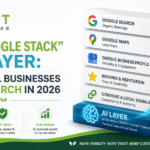
6. Combine Google Ads With Your “Google Stack”
To maximize results, pair Ads with:
- SEO (organic rankings)
- GEO (AI search visibility)
- Google Business Profile
- Reviews
This creates dominance across all search touchpoints
7. Stay Actively Involved (Or Hire Experts = Sprout at your Service!)
AI doesn’t eliminate management – it changes it.
You still need:
- Strategy
- Oversight
- Optimization
The difference now is: you manage the system, not just the settings
Real-World Example (Home Services)
Scenario:
A homeowner searches:
“Emergency plumber near me”
What Happens:
- Google’s AI evaluates:
- Location
- Search history
- Device
- Intent
- Your ad enters the auction
- AI decides:
- Whether to show your ad
- How much to bid
- Which message to display
- User clicks → lands on your page
If your setup is strong, you get the lead
If not, you just paid for a missed opportunity
The New Google Ads Strategy (2026)
To succeed today, you need:
- AI-powered campaigns (Smart Bidding with Human Oversight)
- High-quality inputs (data, landing pages, messaging)
- Ongoing optimization (human strategy + oversight)
It’s no longer about “running ads”
It’s about training and guiding AI
The Bottom Line: AI Is a Tool – Not a Strategy
AI can:
- Scale your campaigns
- Improve efficiency
- Increase conversions
But only if:
You have the right strategy behind it
Otherwise, it becomes an expensive guessing game.
Want Better Leads From Google Ads?
At Sprout Media Lab, we help local service businesses:
- Build high-performing Google Ads campaigns
- Improve lead quality (not just quantity)
- Integrate Ads with SEO, GBP, and AI search
- Turn ad spend into real revenue
Let’s build a smarter, AI-driven ad strategy for your business.
Schedule a Strategy Call Today! Or… Call Us @ (800) 617-6975
FAQs
How is AI used in Google Ads?
AI is used for bidding, targeting, ad creation, and campaign optimization to improve performance automatically.
What is Performance Max in Google Ads?
Performance Max is an AI-driven campaign type that runs ads across all Google channels using automation and machine learning. Not Highly Recommended for Small, Local Service Businesses looking for more Lead Gen. A Local Search PPC Campaign is the preferred Ad Campaign Type.
Should local businesses use AI in Google Ads?
Yes… but with proper setup, tracking, and oversight to ensure high-quality leads.
Why are my Google Ads leads low quality?
This is often due to poor targeting, lack of negative keywords, weak landing pages, or incorrect conversion tracking.
How can I improve my Google Ads performance in 2026?
Focus on:
- Better conversion tracking
- High-quality landing pages
- Strong data inputs
- Ongoing optimization